In January 2020, a quiet neighborhood in Grantsville, Utah, became the center of a tragedy that would shock the entire nation. What unfolded inside one family home was not only an act of unimaginable violence but also a case that would ignite intense discussions about youth, responsibility, and the limits of understanding human behavior.
At the heart of the case was 16-year-old Colin Jeffrey Haynie, a teenager who carried out a devastating attack against his own family. The victims were his mother, Consuelo Alejandra Haynie, and three of his younger siblings, all of whom lost their lives inside the very home that was meant to be their place of safety. The brutality of the crime and the ages of those involved made it particularly difficult for the public to process.
On January 17, emergency responders were called to the residence following reports of gunfire. What they encountered upon arrival was a scene of overwhelming loss. Four members of the household had been fatally shot, each suffering injuries that left no chance for survival. Investigators determined that the violence had unfolded within a short span of time, turning an ordinary day into a moment of irreversible devastation.
The situation took another turn when the father of the family returned home later that same day. Unaware of what had already occurred, he walked into a confrontation that nearly cost him his life. During the encounter, he was shot and seriously injured. Despite this, he managed to act quickly, disarming his son and stopping the violence from continuing any further. His actions likely prevented additional harm and brought the immediate danger to an end.
Authorities soon took Haynie into custody. Given the severity of the crimes, prosecutors made the decision to charge him as an adult. While juvenile offenders are often treated differently under the law due to their age, certain cases involving extreme violence cross a threshold that leads courts to pursue adult prosecution. This decision signaled how seriously the justice system viewed the events that had taken place.
As the legal process moved forward, Haynie ultimately chose to plead guilty to multiple charges, including aggravated murder and attempted murder. By doing so, he formally accepted responsibility for the deaths of his family members and the attack on his father. The guilty plea meant there would be no full trial, shifting the focus instead toward determining an appropriate sentence.
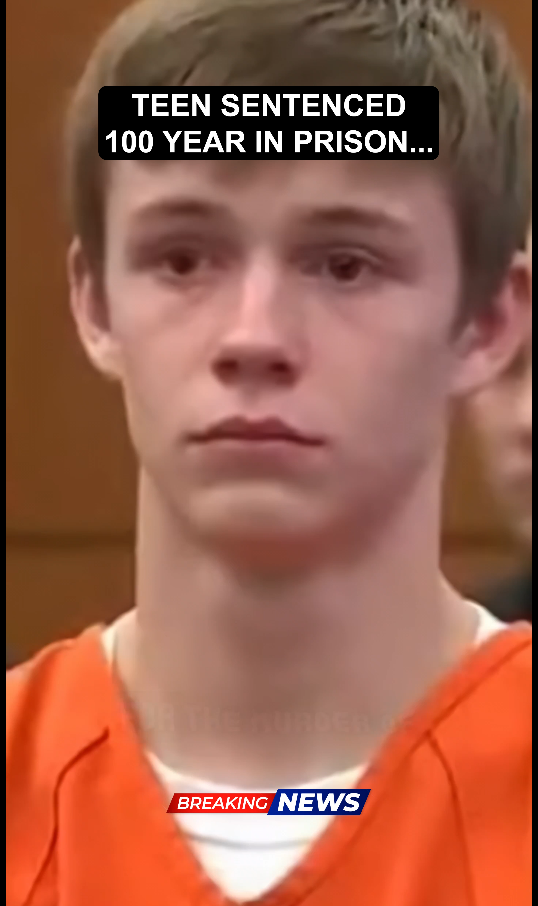
In July 2023, the court delivered its decision. Haynie was sentenced to five consecutive terms ranging from 25 years to life in prison. Because the sentences were ordered to run one after another rather than simultaneously, the outcome ensures that he will spend decades behind bars, with the possibility that he may never be released. This structure is often used in cases involving multiple victims, reflecting the weight of each individual life lost.
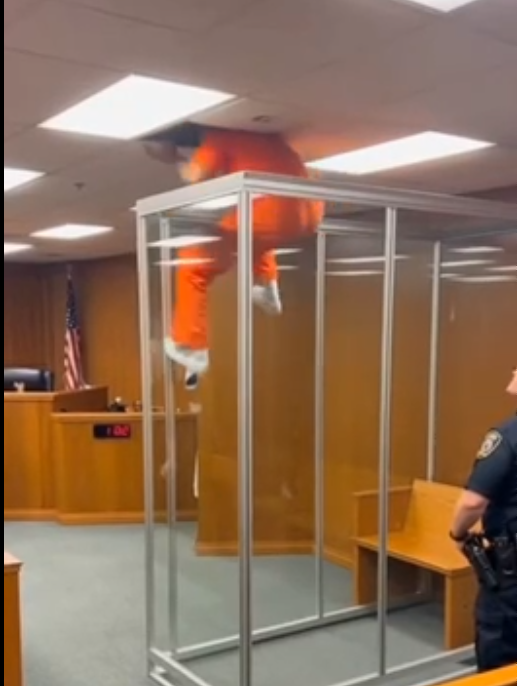
However, beyond the legal details, it was the courtroom moments that left a lasting impression on those who followed the case. When Haynie addressed the court, his words drew intense attention. For many, the idea of a teenager standing before a judge after committing such acts was already difficult to comprehend. Hearing him speak added another layer of complexity, forcing observers to confront uncomfortable questions about remorse, accountability, and the nature of such violence.
The case quickly became a focal point for broader discussions. One of the most debated issues was how the justice system should handle juvenile offenders in cases involving extreme crimes. On one hand, young individuals are often seen as still developing, with the potential for change and rehabilitation. On the other, the severity of certain actions challenges that perspective, leading to arguments that some crimes demand the full weight of adult consequences.
Mental health was another major topic that emerged from the tragedy. While full details about Haynie’s state of mind were not publicly detailed in depth, investigators suggested that he may have been experiencing internal struggles prior to the incident. This raised questions about whether there were warning signs, what kind of support systems were in place, and whether earlier intervention might have prevented the situation from escalating to such a catastrophic outcome.
Communities across the country found themselves reflecting on the implications. Incidents like this force people to reconsider assumptions about safety within the home and the hidden challenges that families may face behind closed doors. They also highlight the difficulty authorities encounter when responding to domestic situations, where the lines between victim and perpetrator can become tragically intertwined.
For the Grantsville community, the impact was deeply personal. A family had been torn apart in a way that left lasting scars not only on surviving relatives but also on neighbors, friends, and first responders who were directly affected by what they witnessed. The tragedy served as a painful reminder that violence does not always come from outside threats — sometimes it emerges from within, in ways that are both shocking and difficult to understand.
Years later, the case continues to be referenced in conversations about justice, youth crime, and prevention. It stands as an example of how complex and layered such situations can be, resisting simple explanations or easy conclusions. While the legal chapter has largely closed with sentencing, the questions it raised remain open.
In the end, the story is not just about a crime, but about the ripple effects it leaves behind — in families, in communities, and in the systems designed to respond to such events. It challenges people to look deeper at the factors that can lead to such outcomes and to consider what can be done to recognize and address them before it is too late.
About the Author