Screenshot
It started with a message that didn’t sound like the usual.
Short.
Aggressive.
Unfiltered.
And within minutes, it spread across the internet, igniting reactions from politicians, analysts, and millions of people trying to understand what it meant.
Because this time, it wasn’t just another controversial statement.
It felt like something bigger.
Something that pushed the line further than before.
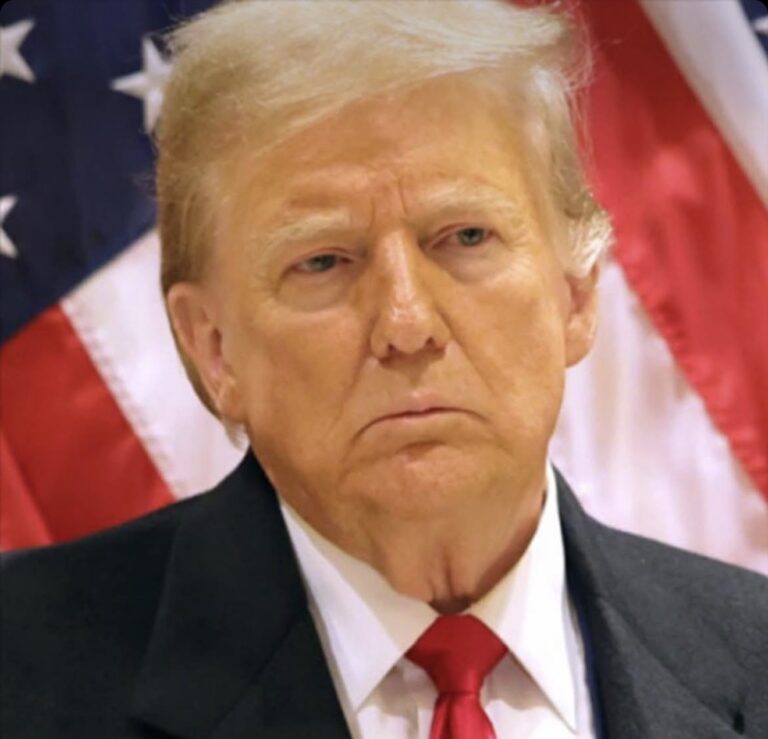
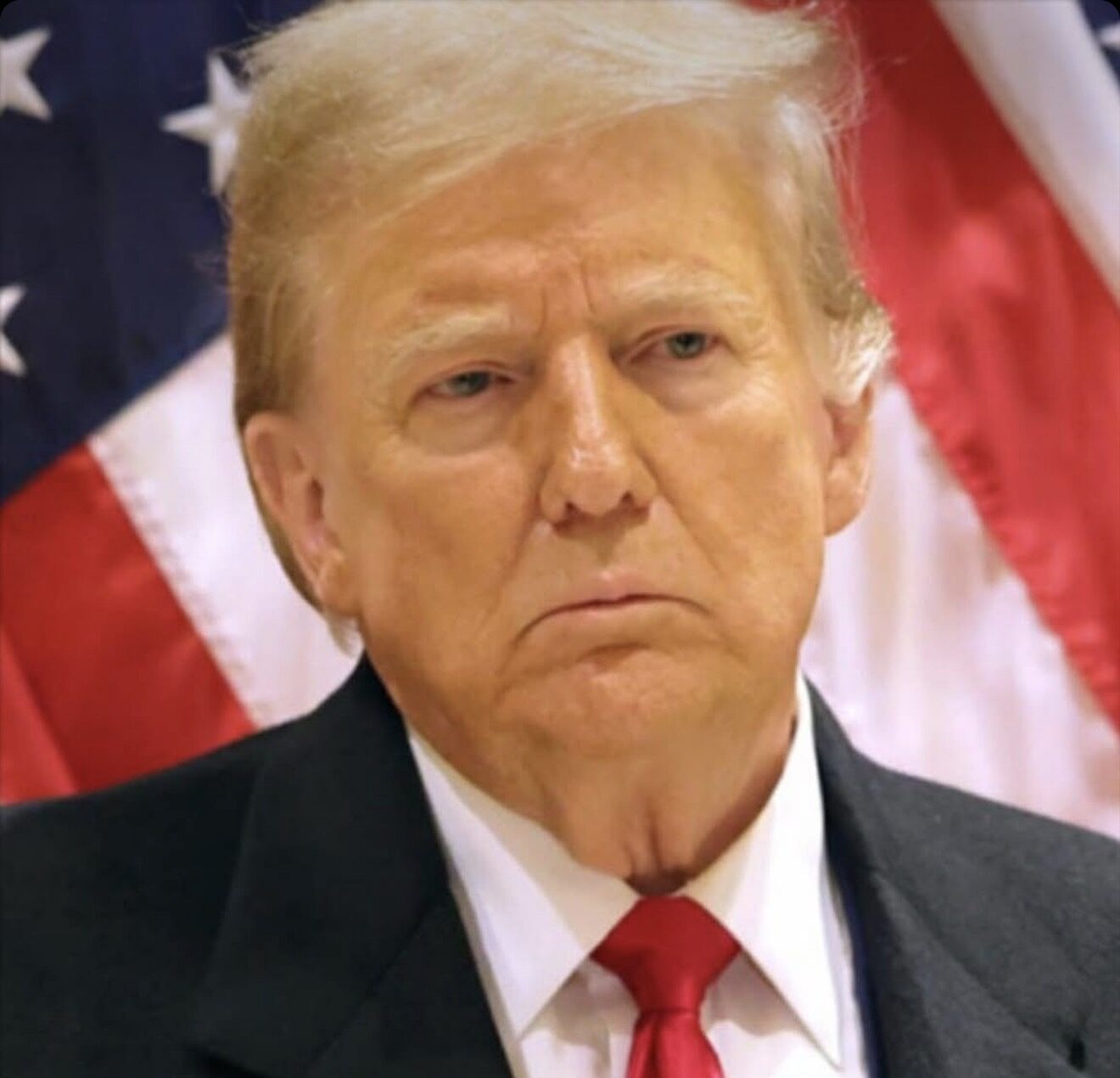
At the center of it all stood President Donald Trump, already a figure surrounded by constant attention and division. But this moment felt different. The tone of his message about rising tensions with Iran struck a nerve that quickly turned into something more serious.
The words were direct.
Sharp.
And for many, alarming.
He called for the reopening of the Strait of Hormuz, a critical global shipping route that had reportedly been blocked. But instead of a diplomatic tone, his message carried urgency mixed with threat, something that immediately caught the attention of both allies and critics.
World leaders reacted carefully.
Some, like British leadership, made it clear they would not respond with military action. Instead, they emphasized diplomacy, restraint, and avoiding escalation. But that response only seemed to deepen the divide.
Because while global leaders stepped back, Trump pushed forward.
And then came the post that changed everything.
On Easter Sunday, he made another statement that went even further, hinting at possible strikes and using language that many described as shocking. The phrasing alone was enough to trigger a wave of concern, not just from political opponents, but from voices across the spectrum.
It wasn’t just about foreign policy anymore.
It became a question of judgment.
And that’s when something rarely mentioned entered the conversation.
The Twenty Fifth Amendment.
For most people, it’s something they’ve heard about but never really expected to matter. A constitutional mechanism designed for extreme situations, not everyday political conflict.
But suddenly, it was being discussed seriously.
Publicly.
The amendment itself isn’t simple.
It outlines what happens if a president can no longer perform their duties, whether due to illness, resignation, or other circumstances. In most cases, it’s about continuity, making sure leadership remains stable no matter what happens.
But one part stands out.
The fourth section.
The one almost never used.
It allows the vice president and members of the cabinet to declare that the president is unable to carry out the responsibilities of the office. If that happens, power shifts immediately, though the process doesn’t end there.
The president can challenge the decision.
And if he does, the situation escalates quickly.
Congress becomes involved.
Votes are required.
And the threshold is high.
Two thirds.
Not just a simple disagreement, but a massive political consensus.
Which is why it almost never happens.
Because reaching that level of agreement is nearly impossible.
Yet suddenly, people were talking about it like a real possibility.
Political figures began speaking out.
Some directly.
Others more cautiously.
One of the most vocal responses came from Senator Chris Murphy, who reacted strongly to the situation, suggesting that if he were part of the administration, he would already be consulting legal experts about invoking that very amendment.
His words carried weight.
Not because they guaranteed action.
But because they showed how serious the concern had become.
Even more surprising were reactions from within Trump’s own political circle.
Not full opposition.
But hesitation.
Criticism.
Questions.
Marjorie Taylor Greene, known as one of his allies, publicly expressed discomfort with the direction of the messaging. Her response wasn’t just disagreement. It was a warning that the situation was moving away from what supporters expected.
And that mattered.
Because when concern crosses party lines, it signals something deeper than politics.
It signals uncertainty.
Inside Washington, conversations reportedly became more intense.
Not public debates.
Private discussions.
Quiet evaluations.
Because invoking something like the Twenty Fifth Amendment isn’t just a decision.
It’s a turning point.
A moment that changes everything.
But even with all the noise, all the reactions, all the speculation, one thing remained constant.
Nothing official happened.
No formal process began.
No cabinet declaration.
No congressional vote.
Only questions.
And those questions grew louder.
Is this just political pressure
Or is it something more serious
Is the system strong enough to handle moments like this
Or is it being tested in ways it never has before
For the public, the uncertainty became the story itself.
Not just what was said.
But what might happen next.
Because in politics, moments like this rarely stay isolated.
They ripple outward.
Into decisions.
Into alliances.
Into the future.
And at the center of it all was a reality many people had never seriously considered before.
That a rule written decades ago
One designed for extreme and unlikely scenarios
Could suddenly become part of a real conversation
About power
About leadership
About what happens when lines begin to blur
Because sometimes
It’s not the action that changes everything
It’s the possibility of it
About the Author