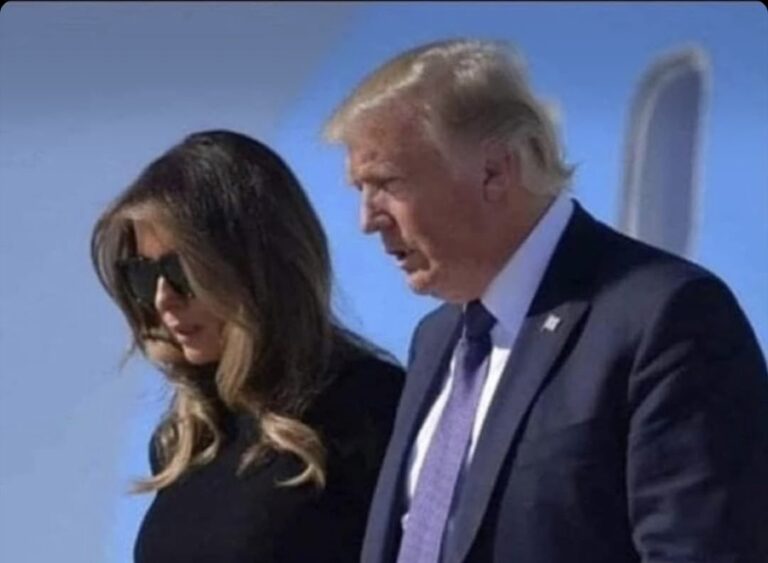
Our perception acts like a seasoned professional—even when it’s improvising. A slanted image feels like confirmation of danger. An unfamiliar face tightens, and we label it hostility.
With a quick scan of someone’s clothes, stance, or online presence, we silently decide who they must be. Like endless staircases or disappearing floors, we seldom stop to ask: what information is missing, and what has my mind supplied on its own?
That’s where illusions move beyond curiosity and become ethical. Wrong assumptions fracture friendships. A misunderstood tone hardens into a lifelong resentment. Inaccurate memories reshape entire relationships. The same mental shortcuts that keep us safe in traffic can also shut us off from subtlety, depth, and mercy. Questioning a first impression isn’t a flaw—it’s a safeguard. Taking a second look—at images, at others, at our own certainty—might be the only way to avoid living inside a narrative our mind created instead of the quieter truth that’s still there.
About the Author